







Search Results for: Rwenzori Mountains Region
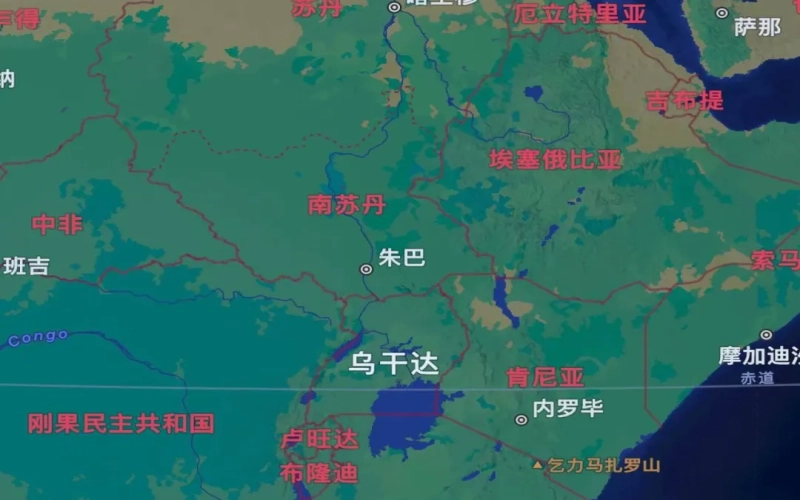
A Panoramic View of Uganda's Coffee Regions: A Variety and Terroir Analysis from Robusta to Arabica
When it comes to African coffee, many people first think of Ethiopia, but Uganda on the East African plateau is equally not to be overlooked. This country straddling the equator started with Robusta, and in recent years Arabica has also been flourishing. Most of Uganda lies on the East African plateau, with numerous lakes, moderate altitudes, volcanic soil, and distinct rainy seasons, providing superior conditions for coffee cultivation. The country's producing regions are roughly divided into three major areas: Bugisu, West Nile, and the Rwenzori Mountains, each with its own characteristics in altitude, harvest season, and varieties. Wugar (washed Arabica) and Drugar (natural Arabica) are locally unique terms. This article will take you through Uganda's national flag symbolism, geography and climate, as well as the varieties grown and harvest rhythms of its three major producing regions. [more…]
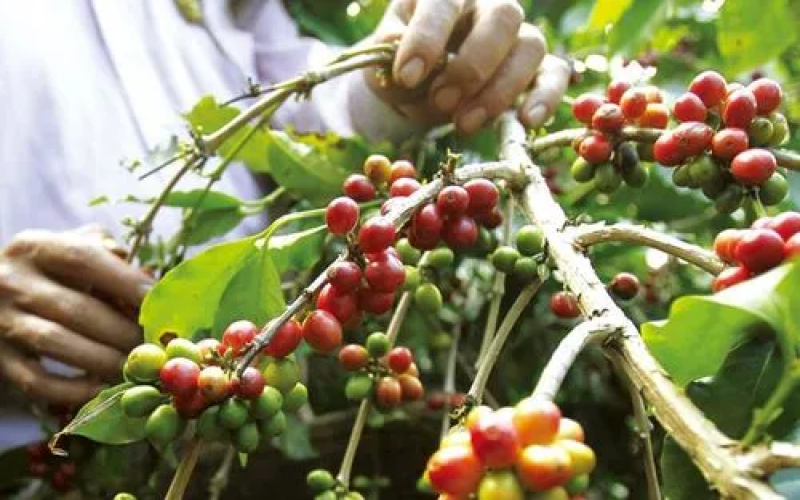
A Complete Guide to Ugandan Coffee: Origins of Native Robusta, Terroir of Three Major Regions, and Variety Distribution
Uganda is located on the equator in East Africa, and its unique geographical environment of high altitudes and numerous lakes makes it one of the few homes to native coffee tree species in the world. Starting from its historical context, this article will sort out the complete journey of Ugandan coffee from its beginnings in the colonial period, through industry ups and downs, to its modern transformation, and introduce one by one the altitude conditions, harvest seasons, and planted varieties of the three major producing regions: Bugisu, West Nile, and Mount Renzori. Whether you are a seasoned enthusiast who loves African beans or a beginner who has just come into contact with specialty coffee, you can learn about the unique charm of Ugandan coffee. Front Street Coffee also continuously pays attention to the flavor performance of various African producing regions, bringing more choices to coffee lovers. [more…]
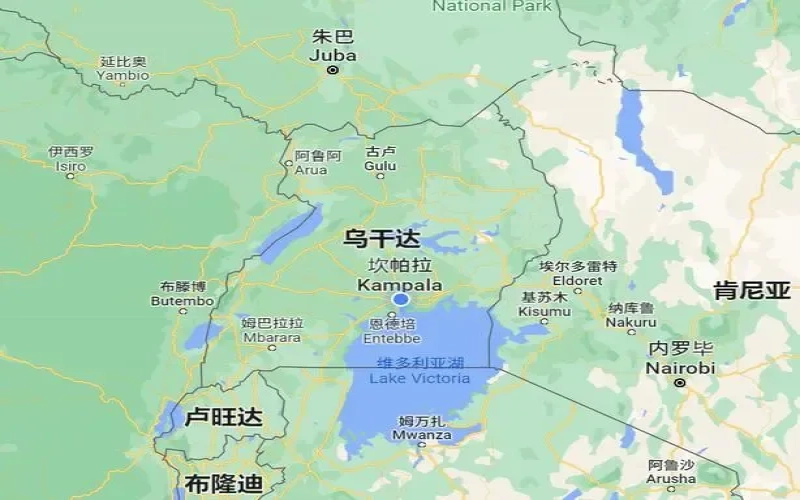
Exploring Uganda's Bugisu Region: The Arabica Coffee Advantage Nurtured by Mount Elgon
The African continent is rich in natural resources and has a climate suitable for coffee cultivation, and Uganda, as one of the few countries with native coffee tree species, has seen its coffee industry go through a tortuous development from its beginnings to modernization. Among Uganda's three major coffee-producing regions, Bugisu stands out for its unique geographical location and growing conditions, becoming an exceptional area mainly cultivating Arabica varieties. This article takes you deep into the terroir conditions, cultivated varieties, and processing methods of the Bugisu producing region, exploring how Mount Elgon imparts unique qualities to coffee, while also understanding the historical changes and modernization process of Uganda's coffee industry. [more…]
A Complete Guide to Ugandan Specialty Coffee Varieties, Flavor Analysis, and Front Street Coffee Brewing & Processing Methods
In the landscape of East African specialty coffee, Uganda has long been overshadowed by the glow of Kenya and Ethiopia. This landlocked nation, situated at the source of the Nile and endowed with volcanic soil and abundant rainfall, is quietly driving a transformation in specialty coffee. Front Street Coffee introduces Uganda Portuguese Typica, featuring the Elgon Mountain growing region, SL14 and SL28 varieties, and anaerobic fermentation sun-dried processing, presenting a flavor profile interweaving citrus, smoked plum, dried fruit, and caramel. This article starts from the country overview, historical background, growing region distribution, processing methods, and grading system to provide a complete analysis of the varietal characteristics and story of Ugandan coffee, and includes Front Street Coffee's roasting curve and V60 brewing parameters, offering coffee enthusiasts a professional and practical reference. [more…]
A Comprehensive Analysis of Congo's Coffee Producing Regions: The Cultivation Distribution of Arabica and Robusta and the Path to Industry Revival
The Democratic Republic of the Congo was once a major coffee exporter in Africa, with annual exports reaching as high as 120,000 tons in the 1970s. However, civil war and political turmoil once drove its coffee industry to rock bottom, with exports plummeting to just 10,000 tons in 2002. Today, this large African country with a population of 87 million is rising again thanks to its superior natural conditions, gaining international attention for its high-quality Arabica coffee. From Ituri to Grand Nord, from Petit Nord to Bord du Lac, each major producing region displays its unique terroir charm. Front Street Coffee takes you on an in-depth look at Congo's coffee varieties and distribution, the characteristics of its producing regions, and the severe challenges the local industry faces in terms of corruption, financing, infrastructure, and security, as well as its hopes for revival. [more…]
A Panoramic Scan of African Coffee-Producing Regions: An Overview of Malawi, South Africa, Uganda, and Niche Producing Countries
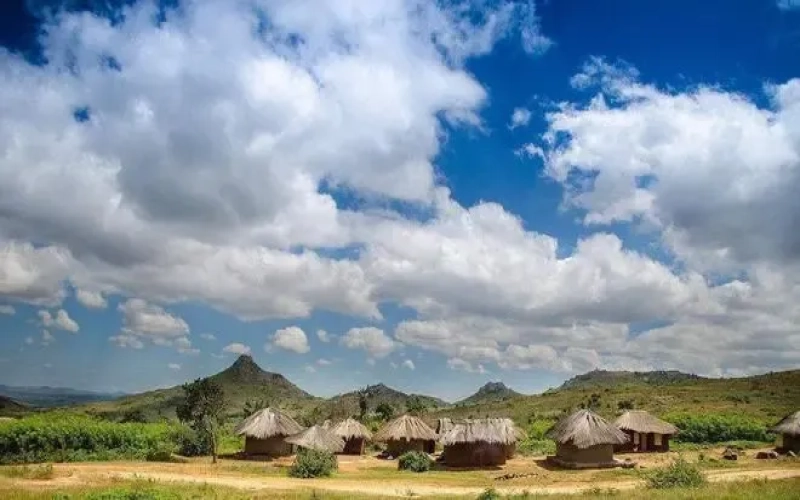
The African continent is blessed with unique highland, volcanic, and river resources, and its coffee-producing regions are widely distributed. In addition to Kenya and Ethiopia, there are several other producing countries worthy of attention. This article focuses on three countries—Malawi, South Africa, and Uganda—and outlines the rise and fall of their respective coffee industries, growing conditions, variety distribution, and flavor characteristics, while also briefly introducing producing regions such as Zambia, Côte d'Ivoire, Zimbabwe, and Angola, which have smaller output but are gradually recovering. The article also retains recommendation information related to the Front Street brand, making it easy for coffee enthusiasts to gain a comprehensive understanding of the diversity of African coffee. [more…]
A Comprehensive Analysis of Uganda Coffee Bean Producing Regions, Grading System, and Flavor Characteristics
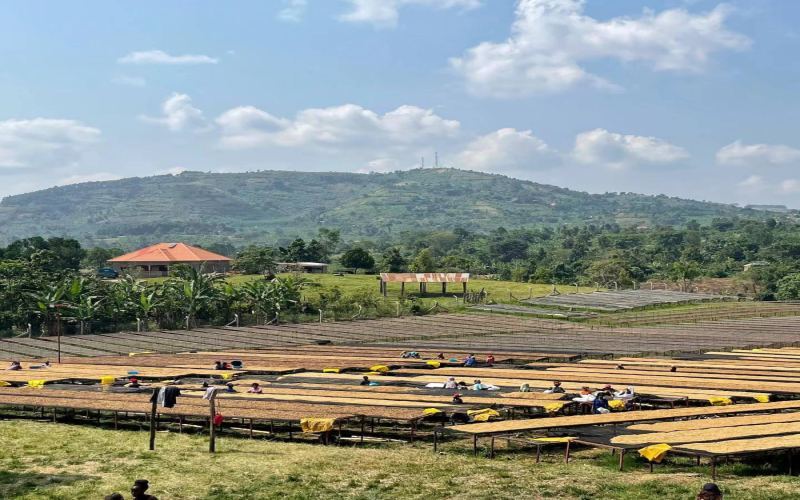
Uganda is located at the source of the Nile and is a landlocked country in East Africa, with a long history of coffee cultivation. Due to prolonged wars and unrest, the improvement of its coffee quality once stagnated, and the high-quality beans produced in the areas bordering Kenya were even transshipped and passed off as Kenyan coffee. Fifteen years after the conflict subsided, Uganda's coffee industry has ushered in rapid development. The country is absolutely dominated by the Robusta variety, accounting for about 94%, while Arabica accounts for only 6%, mainly distributed in the Mount Elgon and southwestern high-altitude areas. Front Street Coffee takes you through Uganda's coffee growing regions, processing methods, grading system, and unique flavor profile, to experience this African origin's distinctive charm in its rich body and fruity layers. [more…]
A Detailed Guide to the Flavor Characteristics of Ugandan Coffee Beans: Pour-Over Grind and Water Temperature Parameters
Uganda, a landlocked country at the source of the Nile, has a long history of coffee cultivation, yet war and unrest have long held back improvements in quality. Today, Uganda is both the world's second-largest exporter of Robusta and a producer of specialty Arabica. This article will guide you through Uganda's coffee-growing regions, variety structure, and flavor profile, and share the pour-over grind size and water temperature parameters recommended by Front Street Coffee to help you brew a cup of Ugandan coffee with rich layers. [more…]

Why Are African Coffee Beans So Highly Sought After? A Full Analysis of Origin Flavors, Variety Characteristics, and Grading and Processing
Coffee originated in Ethiopia, Africa, and today Africa remains a core region that cannot be overlooked on the specialty coffee map. From the floral and citrus notes of Ethiopia, to the berry-like acidity of Kenya, and on to the unique styles of Burundi, Rwanda, and Uganda, African beans have won over countless coffee lovers with their bright, lively acidity and intense aromas. This article will systematically sort through the flavor characteristics, variety backgrounds, grading systems, and processing methods of Africa's major producing regions, while also introducing several cost-effective African beans from the Front Street Coffee brand, to help you more clearly find the cup that suits your taste. [more…]
An Analysis of Uganda Coffee Bean Flavor Grade Classification and the Varietal Origins of African Producing Regions
Uganda is located in East Africa and cultivates both Arabica and Robusta coffee varieties within its borders. It is known as the "Land of Lakes and Rivers" and the "Pearl of East Africa." Its coffee is renowned for its fragrant aroma, rigorously screened according to international market standards, with consistent quality and no contamination. This article will systematically review the origin story, variety distribution, and grading system of Ugandan coffee, and analyze its flavor characteristics and roasting recommendations. Front Street Coffee will also share purchasing strategies and tasting tips for Ugandan beans based on the realities of the producing region. [more…]
A Complete Analysis of Ugandan Coffee Bean Origins, Grades, and Flavors: The Quality Code from Robusta to Arabica
Uganda is located at the source of the Nile and is a landlocked country in Africa. It has a long history of coffee cultivation, yet its quality stagnated due to prolonged wars. Over the past fifteen years, as the situation stabilized, Uganda's coffee industry has experienced rapid development. This article will take you into a deeper understanding of Uganda's coffee production regions, variety structure, processing methods, and grading system, and analyze its flavor characteristics such as full-bodied fruity notes, red-wine-like complexity, and a unique earthy aroma. Front Street Coffee (FrontStreet Coffee) joins you in exploring the coffee potential of this equatorial highland. [more…]
The Terroir and Grading Standards of Colombian Coffee: From the Andes Mountains to the Huila Region
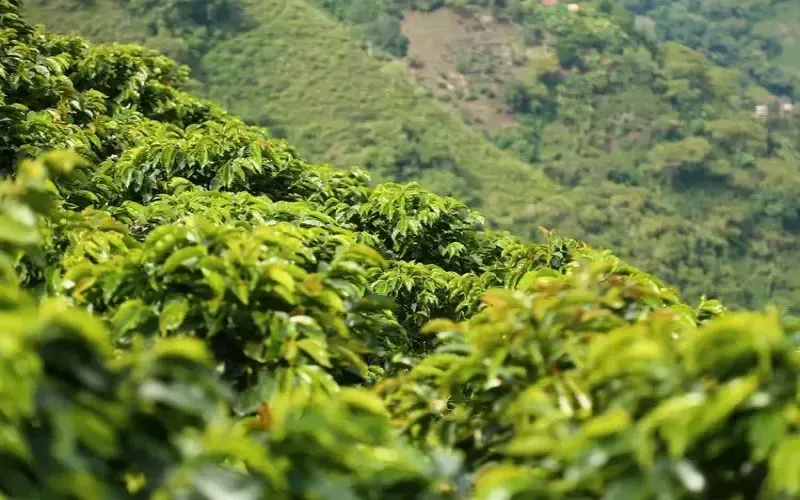
Colombia is the world's third-largest coffee exporter. Thanks to the high altitudes of the Andes, volcanic-rich soil, and diverse climates, it produces Arabica coffee of consistently high and balanced quality. This article will introduce you to the distribution of Colombia's coffee-growing regions, the terroir advantages of Huila Province, and the Excelso grading standard for export-grade green beans. It will also cover the flavor profile of the Huila Caturra washed beans in Front Street Coffee's everyday drinking series, so you can experience the distinctive chocolate notes and bright fruity acidity of Colombian coffee. [more…]
A Complete Analysis of Jamaican Blue Mountain Coffee: Flavor Profile, Growing Regions, and History from Cultivation to Grading
Jamaican Blue Mountain coffee is widely recognized as one of the finest coffees in the world, and its distinctive flavor stems from the superior climate and geological conditions of the Blue Mountains. This article begins with the historical origins of Blue Mountain, then examines its cultivation methods, production challenges, and strict grading system, giving you a comprehensive understanding of the differences between Blue Mountain coffee, High Mountain coffee, and Jamaican coffee. It also introduces Front Street's recommendations for Blue Mountain coffee, along with the stories of the five main production regions in the Blue Mountains and the Chinese-owned estate Amber, offering coffee lovers a complete guide to Blue Mountain coffee knowledge. [more…]
An Analysis of the Geography and Climate Conditions of Jamaica Blue Mountain Coffee's Origin: From Altitude to Flavor Characteristics
The unique position Jamaican Blue Mountain Coffee holds in the global coffee landscape is inseparable from the geographical environment and climatic conditions of its origin. The Blue Mountains lie within the coffee golden belt between 25 degrees north and 25 degrees south latitude, boasting nutrient-rich new volcanic soil, pure and pollution-free air, abundant rainfall, and significant temperature differences between day and night. Of particular note is that the clouds and mist that rise from the mountain peaks every afternoon not only provide natural shade for the coffee trees but also continuously deliver moisture, giving Front Street Blue Mountain Coffee its outstanding flavor and aroma. Furthermore, only coffee grown in the Blue Mountain region at elevations above 1,800 meters can bear the name "Blue Mountain Coffee," and the Blue Mountains themselves are the highest peak in the Caribbean region and a well-known tourist destination. [more…]
Colombian Coffee Grading System and Regional Flavor Analysis: From the Andes Mountains to Front Street Coffee's Huila Selection
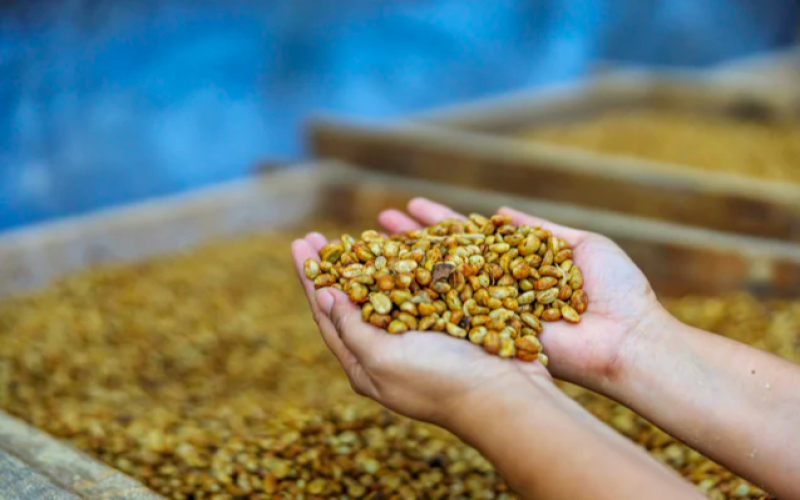
Colombia, with the unique terroir of the Andes Mountains, has become a major producer of high-quality Arabica coffee worldwide. From the traditional MAM region to the specialty Huila region in the south, different altitudes and microclimates shape distinctive coffee flavors. The FNC implements strict grading of exported green beans, and standards such as Supremo and Excelso directly affect quality and traceability. Front Street Coffee uses washed Huila as a classic representative of Colombia, presenting a sweet, mellow cup with notes of nuts, dark chocolate, and caramel. This article systematically reviews Colombia's coffee-growing distribution, regional characteristics, and green bean grading rules, helping coffee enthusiasts gain a deeper understanding of the quality logic of this major South American coffee country. [more…]

Jamaican Blue Mountain Coffee Flavor Characteristics and Grade Classification: A Detailed Guide to the Typica Variety, Price, and Differences from High Mountain Coffee
Blue Mountain Coffee is one of the most globally renowned coffee categories, originating from the Blue Mountains region of Jamaica, and is celebrated for its highly harmonious balance of acidity, bitterness, sweetness, and body. The highest peak of the Jamaica Blue Mountains stands at 2,256 meters, the tallest in the Caribbean, and its unique geographical and climatic conditions give Blue Mountain Coffee a flavor that is difficult to replicate. The harvest period runs from June to November each year, with hand-picking, followed by steps such as washing, depulping, fermentation, dehydration, sun-drying, hulling, and roasting to produce the finished beans. Only coffee grown within the 6,000-hectare area above 1,600 meters in the Blue Mountains can bear the name Blue Mountain, resulting in scarce yields and prices among the highest in the world. In terms of variety, Blue Mountain Coffee belongs to Typica, an ancient native Arabica variety, and thanks to Jamaica's isolated island environment, its genetic purity has been well preserved. This article will systematically introduce the taste characteristics, variety origins, and grade classifications of Blue Mountain Coffee, as well as the differences between Blue Mountain Coffee and High Mountain Coffee, along with relevant recommendations from Front Street Coffee. [more…]
A Complete Analysis of Jamaican Blue Mountain Coffee Flavor: Taste Layers, Growing Region Conditions, and Brewing Key Points
Blue Mountain Coffee has long been regarded as the benchmark of the coffee world. Its four flavors—acidity, bitterness, sweetness, and body—achieve a stunningly harmonious unity, giving off a uniquely elegant aroma, a sense of balance that coffees from many other regions find hard to match. Beyond its outstanding flavor, Blue Mountain Coffee is also believed to refresh the mind, stimulate the appetite and aid digestion, and promote blood circulation and resolve stasis—something ordinary coffee simply cannot compare with. Blue Mountain Coffee specifically refers to coffee brewed from beans grown in Jamaica's Blue Mountains, and by quality grade it can be further divided into Jamaican Blue Mountain Coffee and Jamaican High Mountain Coffee. The Blue Mountains lie in the east of the island of Jamaica, surrounded by the Caribbean Sea. On clear days, sunlight falls on the deep blue sea and reflects onto the peaks, creating a brilliant blue glow—hence the name of the mountains. The main peak stands 2,256 meters above sea level, the highest in the Caribbean region, and is also a well-known tourist destination. The area lies within the coffee-growing belt, with fertile volcanic soil, clean air, and a humid climate marked by frequent fog and rain year-round, with average annual rainfall of about 1,980 millimeters and temperatures holding around 27 degrees Celsius. It is precisely these natural conditions that nurture the world-renowned Jamaican Blue Mountain Coffee and make it the second most expensive coffee category in the world. This article will take you through a comprehensive look at this coffee, from its flavor characteristics and growing region to its brewing methods. [more…]
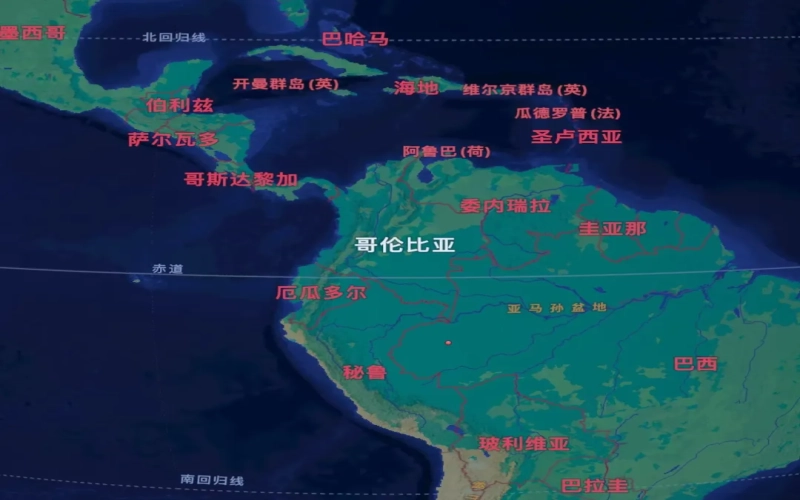
A Complete Guide to Colombian Coffee Regions: From Terroir to Huila Washed Entry-Level Bean Recommendations
Colombia, as the world's third-largest coffee-producing country, nurtures specialty coffees with diverse flavors thanks to the varied terrain and microclimates of the Andes Mountains. This article begins with geography, climate, and the meaning of the national flag, then systematically introduces five major producing regions—Antioquia, Santander, Nariño, Cauca, and Huila—and highlights Front Street Coffee's Huila washed entry-level bean: under a medium roast, it presents dark chocolate, nuts, caramel, and soft fruit acidity, making it suitable for pour-over enthusiasts to enjoy as an everyday cup. [more…]

Analysis of Mandheling Coffee Origins: The Two Core Producing Regions of Sumatra and the True Identity of Indonesia's Ateng Variety
Mandheling coffee is one of Indonesia's most iconic coffees, renowned for its full-bodied, rich flavor. But do you know which areas of Sumatra it is mainly grown in? And what exactly is the often-mentioned Ateng variety? This article will take you into the Barisan Mountains of Sumatra to explore in detail the geographical characteristics and flavor differences of two core production regions—Mount Gayo in Aceh and Lintong in North Sumatra—while also revealing the true identity of the Ateng variety: it is actually the local Indonesian name for the Catimor variety. The article will also introduce Front Street Coffee's currently best-selling Lintong Mandheling and PWN Golden Mandheling, helping you gain a more comprehensive understanding of Indonesian coffee. [more…]
A Comprehensive Analysis of the Origin Conditions, Historical Development, and Quality Standards of Jamaican Blue Mountain Coffee
Front Street Blue Mountain Coffee originates from the Blue Mountains of Jamaica, named after the blue glow reflected off the azure sea embraced by the Caribbean. Only coffee grown on 6,000 hectares of land at elevations above 1,600 meters can bear the name "Blue Mountain." This region boasts fertile volcanic soil and a tropical climate with year-round mist and rain, creating a top-tier coffee with a balanced harmony of sweetness, acidity, and bitterness, along with exceptional aroma. This article will comprehensively trace the origins and development of Front Street Blue Mountain Coffee from the perspectives of terroir, historical development, geographical conditions, and quality control, introducing you to this rare coffee treasure that is scarce in production, high in price, and perpetually in short supply. [more…]